Hospitals are always striving to provide the best possible care for their patients. To achieve this, they need to manage their operations efficiently, from keeping track of patient records to scheduling staff. This is where hospital information management comes into play. By utilizing advanced technology, hospitals can streamline their processes, improve decision-making, and ultimately enhance patient care. Let’s delve deeper into how technology is revolutionizing the way hospitals handle information.
What is Hospital Information Management?
Hospital Information Management (HIM) is responsible for organizing, storing, and managing all the different types of data a hospital generates. This includes patient records, staff schedules, inventory, billing, and much more. A well-managed HIM system ensures that hospitals can provide high-quality care, comply with regulations, and operate efficiently.
In the past, hospitals relied heavily on paper records and manual processes to manage their information. This system was not only time-consuming but also prone to errors. With the rise of technology, hospital information management has undergone a major transformation. Modern hospitals now use sophisticated software systems to streamline their operations and improve efficiency.
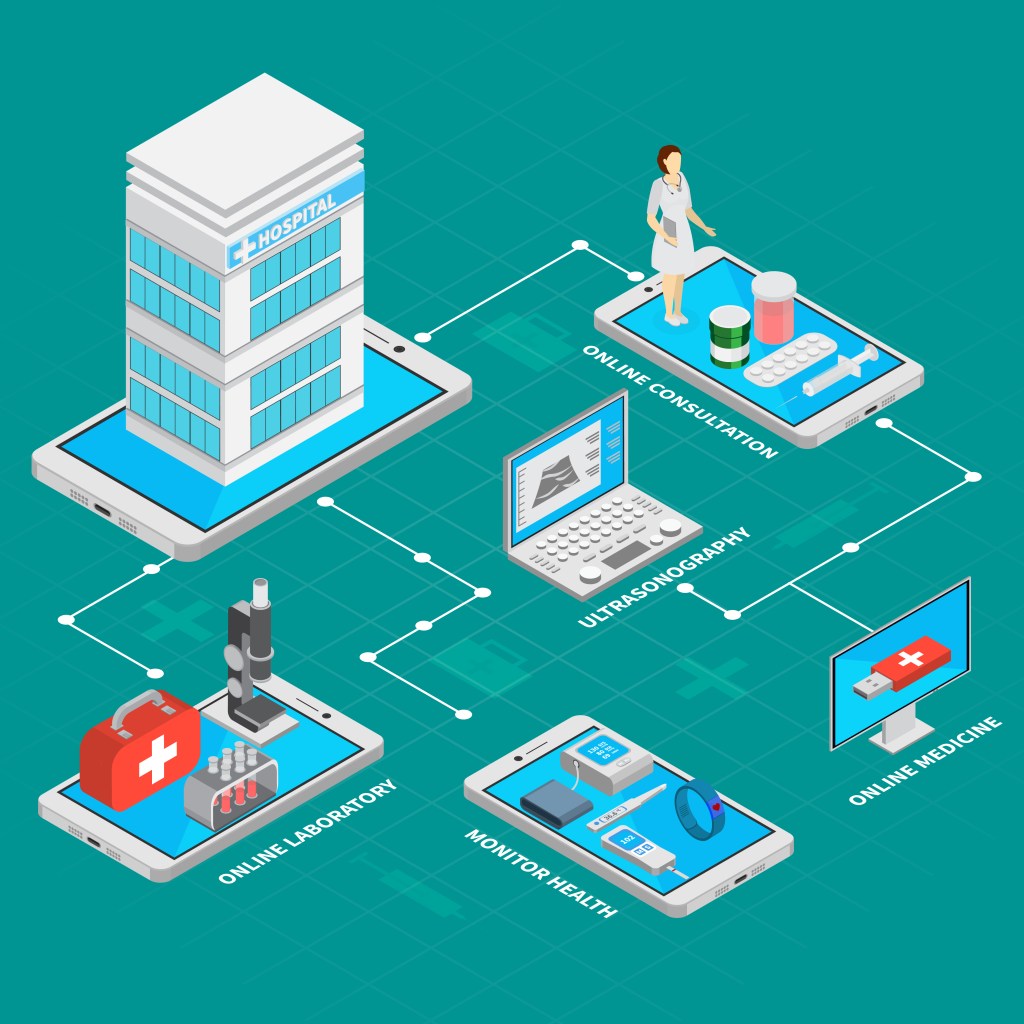
Key Roles of Technology in Hospital Information Management
Let’s dive into the specific roles technology plays in revolutionizing hospital information management:
- Streamlining Patient Data Management
Managing patient data is one of the most critical aspects of hospital operations. Best hospital information system software ensures that all patient records are stored securely and can be accessed easily by authorized personnel. This includes medical history, treatment plans, test results, and more. With electronic health records (EHR), hospitals can reduce paperwork, minimize errors, and provide better patient care.
LikeA cloud-based hospital information system allows doctors to access a patient’s medical history from any device, ensuring they have the information needed to make informed decisions.
- Enhancing Patient Scheduling and Reducing Wait Times
Long wait times can frustrate patients and impact their overall experience. Advanced hospital information management systems help streamline appointment scheduling, ensuring that patients are seen promptly. These systems can optimize staff allocation and prevent overbooking, leading to shorter wait times and better resource utilization, because of that Patients receive timely care, and staff can focus on delivering quality services rather than managing scheduling conflicts.
- Improving Communication and Collaboration
Effective communication is essential in a hospital setting. Technology bridges the communication gap between different departments, ensuring that everyone is on the same page. Hospital information systems (HIS) facilitate real-time communication, allowing doctors, nurses, and administrative staff to collaborate efficiently.It means when a patient is transferred from the emergency department to surgery, the best hospital information system ensures that all relevant information is communicated instantly to the surgical team.
- Optimizing Inventory and Resource Management
Hospitals need to manage a wide range of resources, from medical supplies to equipment. A robust hospital information system helps track inventory levels, predict usage patterns, and automate reordering processes. This reduces the risk of stockouts and ensures that critical supplies are always available.
- Ensuring Data Security and Compliance
With the digitization of hospital data, ensuring security is more important than ever. Hospital information management systems incorporate advanced security features to protect sensitive patient information. They also help hospitals comply with regulations like HIPAA, ensuring that data is handled responsibly.
- Facilitating Data-Driven Decision Making
Technology enables hospitals to collect and analyze vast amounts of data. This data can be used to identify trends, improve patient outcomes, and optimize operational efficiency. Hospital administrators can make informed decisions based on real-time data, leading to better overall performance.
The Future of Hospital Information Management
As technology continues to evolve, the future of hospital information management looks promising. Innovations such as Artificial Intelligence (AI), machine learning, and the Internet of Things (IoT) are set to take hospital management to the next level.
- AI in Diagnosis: AI can analyze medical data to assist doctors in diagnosing diseases more accurately and quickly.
- IoT for Patient Monitoring: Wearable devices can track patient vitals in real-time, providing valuable data to healthcare providers.
- Telemedicine Integration: Hospital information systems are increasingly integrating telemedicine, allowing patients to consult doctors remotely.

Choosing the Best Hospital Information System Software
Selecting best hospital information system software is crucial for any healthcare facility. Here’s what to look for:
- User-Friendly Interface: The system should be easy for staff to use, reducing the need for extensive training.
- Customization: Every hospital is different. The software should be customizable to meet specific needs.
- Scalability: As the hospital grows, the system should be able to handle increased data and operations.
- Security Features: Ensure the software complies with industry standards and offers robust security measures.
Real-Life Impact: A Case Study
Consider a mid-sized hospital that transitioned from a paper-based system to a modern hospital information system. Before the transition, managing patient records and coordinating between departments was challenging. After implementing the new system, the hospital experienced:
- 30% Reduction in Wait Times: Automated scheduling optimized patient flow.
- Enhanced Data Accuracy: Electronic records reduced errors associated with manual data entry.
- Improved Patient Satisfaction: Patients received faster and more personalized care.
Conclusion
Technology has revolutionized hospital information management, making it more efficient, secure, and patient-centric. From streamlining patient data to optimizing resource management, the best hospital information system software plays a crucial role in modern healthcare. As technology continues to evolve, hospitals that embrace these advancements will be better equipped to provide high-quality care and improve operational efficiency.
Investing in the best hospital information system is not just a choice; it’s a necessity for delivering exceptional healthcare in today’s digital age.





 Healthcare App Development
Leave a comment